
PRK
The surface layer of the cornea is gently removed, then the laser reshapes the cornea underneath. Recovery usually involves more early discomfort and blur, but no corneal flap is created.
A patient-first guide to PRK candidacy, recovery, and the trade-offs worth understanding before you choose laser vision correction.
This guide helps you understand how PRK works, who it may be for, what recovery can feel like, how pricing is reviewed, and why the consultation matters. It is educational only; your candidacy can only be determined after a comprehensive eye examination and consultation.
PRK is not right for everyone. The consultation exists to determine whether it fits your eyes, or whether another option is safer or more suitable.
PRK has a real early recovery period. You should understand the downtime, the discomfort, and the day-to-day variability before choosing it.
Dr. Yau evaluates your candidacy, reviews the trade-offs, and can recommend against PRK if that is the right answer for you.
When everything is working, light passes through the cornea and lens and focuses precisely on the retina at the back of the eye. When the eye does not focus light correctly, you get a refractive error.
The cornea and lens work together to bend light toward the retina.
When light lands in the right place, the brain receives a sharper picture.
PRK may be used to correct myopia, hyperopia, and astigmatism in appropriate candidates.
Open a condition to see what it usually feels like.
You can see nearby objects clearly, but distant objects appear blurry.
You can usually see distant objects clearly, but nearby objects are harder to focus on.
The cornea has an irregular shape, causing light to focus unevenly on the retina.
A natural, age-related loss of near vision that typically begins after 40.
PRK stands for photorefractive keratectomy. It reshapes the cornea so light can focus more accurately on the retina, reducing dependence on glasses or contact lenses for appropriate candidates.
The thin outer layer of the cornea is gently removed before laser treatment.
An excimer laser reshapes the cornea underneath so light can focus more accurately.
A protective contact lens is placed while the surface regenerates over the next few days.
PRK typically involves more early discomfort and blur than LASIK, but no corneal flap is created.
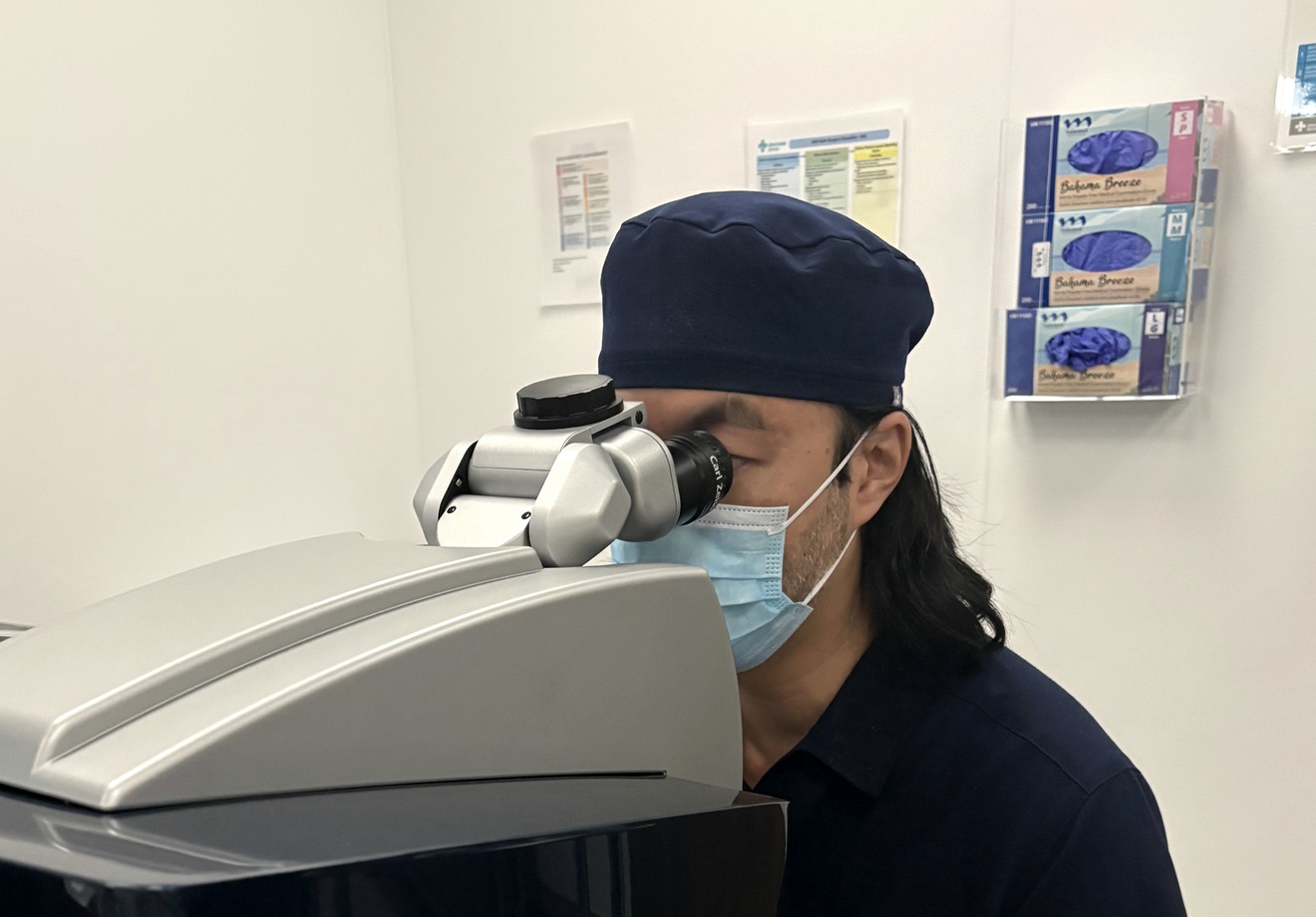
The procedure happens with your eye numbed, the laser aligned, and the team focused on keeping the treatment controlled from start to finish.
PRK may be used to correct nearsightedness, farsightedness, and astigmatism in appropriate candidates. It does not prevent the natural age-related near-vision changes that cause presbyopia.
Shape, thickness, and surface health determine whether laser vision correction is appropriate.
Your prescription, stability, and visual goals set the clinical guardrails.
Work, sport, travel, dryness risk, and tolerance for downtime all affect the best fit.
PRK can be a strong option when the no-flap approach is worth the early recovery trade-off.
Each procedure is designed to reduce dependence on glasses or contacts, but the cornea is treated differently. Dr. Yau's recommendation is based on your prescription, corneal shape and thickness, eye health, lifestyle, recovery expectations, and long-term visual goals.
The surface layer of the cornea is gently removed, then the laser reshapes the cornea underneath. Recovery usually involves more early discomfort and blur, but no corneal flap is created.
LASIK involves creating a thin corneal flap before laser reshaping. Early visual recovery is often faster, but flap-related considerations and dry eye risk should be discussed.
SMILE, refractive lens exchange, or another procedure may be more appropriate depending on your eyes. The consultation is where that decision gets made.
Recovery is not identical for every patient. Some people heal quickly. Others take more time. Your prescription, your eyes, and the way your body heals can all affect the experience.
Light sensitivity, very blurry vision, tearing, and mild to moderate discomfort are common. Rest in a dark room, avoid screens and reading, wear sunglasses, and do not drive.
Light sensitivity may still be present. Vision may begin improving, and discomfort is often less than in the first couple of days. Keep following the aftercare plan.
You return to the office to have the contact lens removed. Vision may feel worse for a few hours as your eye adjusts, then typically begins improving again.
Some patients heal almost immediately. Others take extra time. Do not drive until you have been cleared to do so.
Vision continues to improve. Some fluctuation can still happen, especially later in the day or when your eyes are tired.
Vision continues to stabilize. Night vision symptoms such as glare or halos may continue improving during this period. Follow-ups help confirm healing is on track.
If one eye heals faster than the other, that does not automatically mean something is wrong. Healing is not perfectly symmetric, and the team monitors your progress.
The team reviews drops, instructions, sunglasses, ride-home plans, and the first few days of rest so the recovery period is expected rather than surprising.
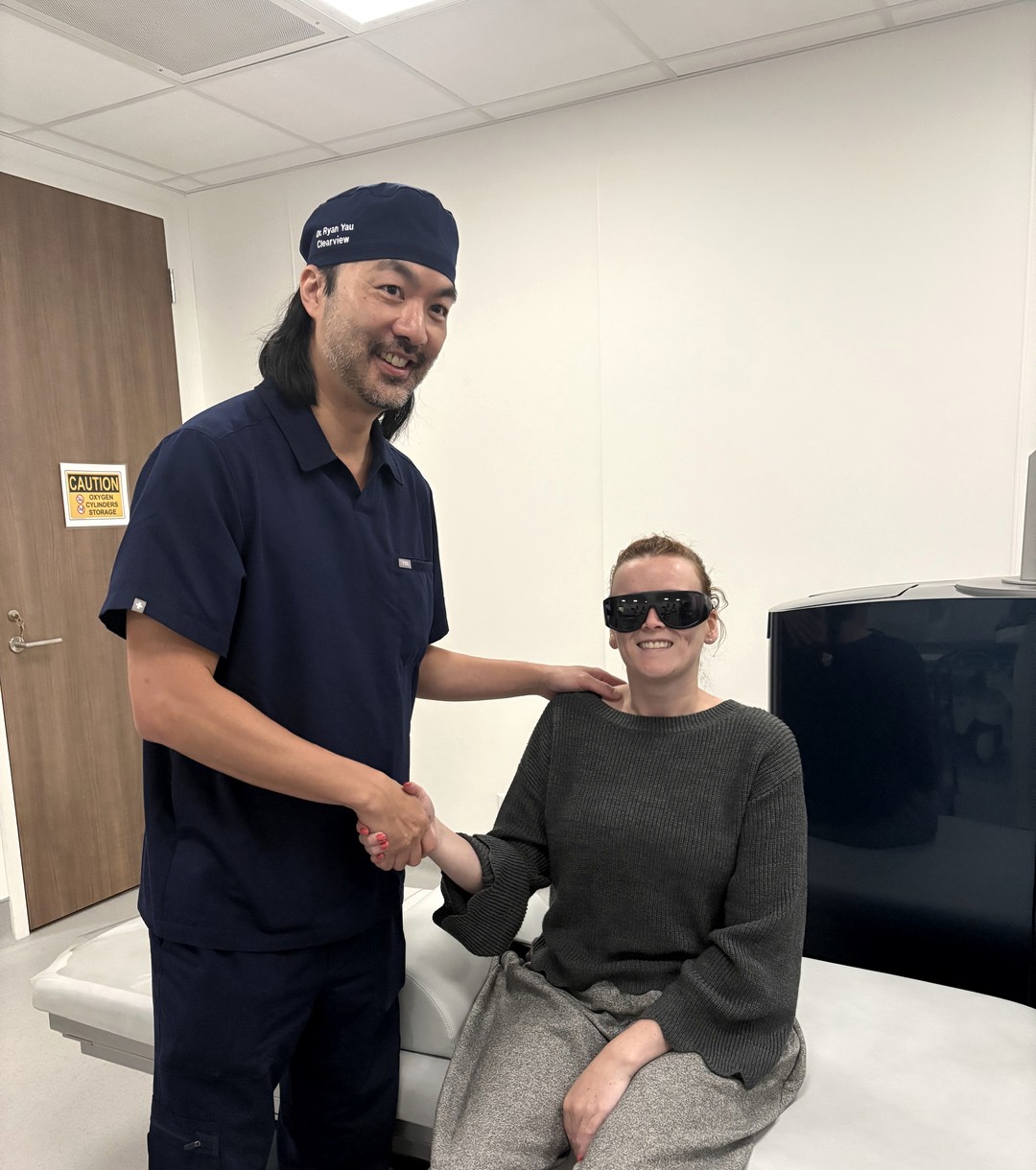
Contact lens timing helps make the diagnostic picture more accurate.
The team completes testing before Dr. Yau reviews your options with you.
You leave with a recommendation, price review, and next-step options.
Your initial consultation is a clinical conversation. Dr. Yau reviews your candidacy, answers your questions, and discusses the trade-offs directly.
The team walks you through the process before, during, and after your procedure so you know what to expect and how to prepare.
Review instructions, confirm your driver, have payment ready, fill required medications, eat a light meal, wear comfortable clothing, and plan to be at the clinic for about 90 minutes total.
Numbing drops are applied. Sedation may be available. The surface layer is gently removed, the laser reshapes the cornea, and a protective contact lens is placed. The laser process is typically about 5-10 minutes per eye.
The team administers drops, reviews instructions again, contacts your driver, and provides post-operative items and sunglasses.
Plan to do nothing for the rest of the day. Follow the aftercare plan and give your eyes the time they need to heal.
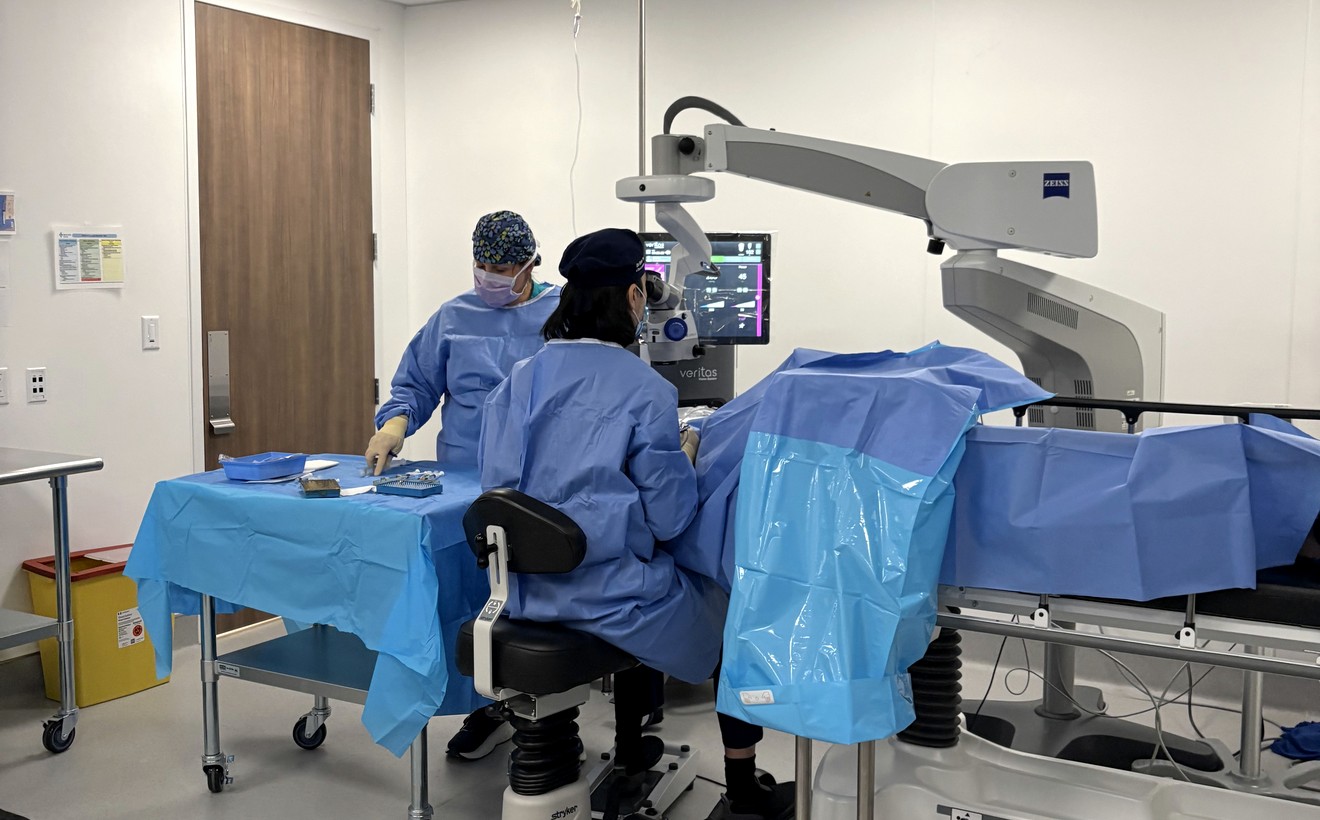
The clinical team sets up the laser, draping, instruments, and support workflow before the procedure starts.
PRK is appropriate for many patients, but not all. If PRK is not the best option for your eyes, Dr. Yau will tell you and walk you through what may be safer or more suitable.
Clearview also offers other vision correction options, including refractive lens exchange and other procedures. The right option depends on prescription, age, corneal health, and visual goals.
If another clinic told you that you are not a candidate for laser eye surgery, a second opinion may be worth discussing. Candidacy criteria vary, and the goal is a clear answer either way.
These are the concerns patients often carry into the consultation. The goal is not to pressure you. It is to help you ask better questions and make a more confident decision.
Open any question for the plain-English answer.
PRK is well established, but like all surgery it carries risks. Your consultation is where Dr. Yau reviews your specific risk profile instead of generalizing.
You do not have to know before you arrive. The consultation exists to determine whether PRK fits your eyes, or whether another procedure would be safer or more suitable.
Different clinics offer different procedures, use different pricing models, and explain recovery differently. Dr. Yau's goal is to understand your eyes and give you a clear recommendation, even if that recommendation is not PRK.
The price provided at your consultation is the price Clearview honours for 1 year following your consultation. The team reviews what is included before you decide.
Yes. At Clearview, Dr. Yau sees every patient himself at the initial consultation. You meet the surgeon at the beginning, not for the first time on surgery day.
Most patients experience discomfort more than pain. If discomfort happens, it is typically during the first few days and is managed with your aftercare plan.
Yes. Some days may be sharper than others, and one eye may heal faster than the other. That does not automatically mean something is wrong. Follow-up visits help the team monitor your healing.
PRK asks you to plan for several days of downtime and visual fluctuation in exchange for a no-flap approach. Dr. Yau can help you decide whether that trade-off makes sense for you.
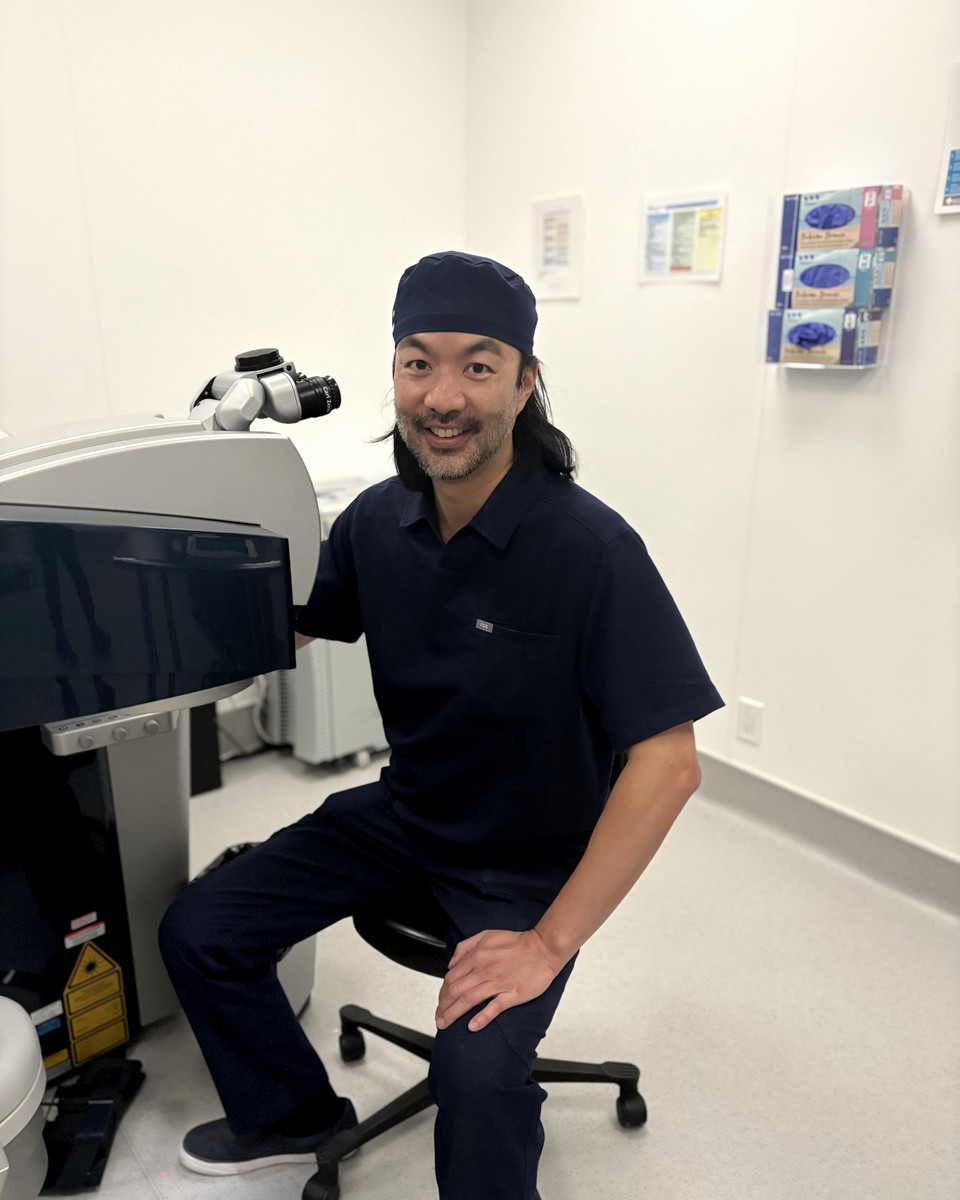
Before any of this, Dr. Yau was a patient. His prescription was approximately -4.50 to -5. He was active, he travelled, and he was training in a surgical specialty where glasses got in the way. He had PRK himself.
That matters because when you talk to him at your consultation, you are talking to someone who has actually been through what you are considering.
Dr. Yau completed undergraduate studies, medical school, and ophthalmology residency before starting his formal career. He is a Fellow of the Royal College of Surgeons of Canada and an Assistant Clinical Professor at the University of Calgary.
Clearview Eye Centre is located on Glenmore Trail near Deerfoot, in the centre of Calgary, with free parking and a modern clinical environment suited to a serious medical decision.



Clearview reviews pricing with you at your consultation, including the procedure fee, what is included, what is not included, follow-up care, medications and post-operative items, financing options, and enhancement policy where applicable.
PRK is a surgical procedure and, like all surgery, carries risks. A complete discussion of risks, expected outcomes, and alternatives specific to your eyes takes place at your consultation.
The next step is a 60-90 minute consultation with Dr. Yau at Clearview Eye Centre in Calgary. The consultation is free, and there is no obligation to book surgery.